

PARASERIANTHES LOPHANTHA (WILLD.) I.C. NIELSEN
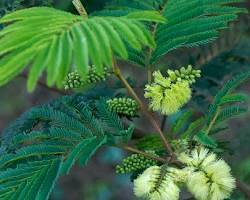
Paraserianthes lophantha, commonly known as Cape Leeuwin wattle, Bicol wattle, Cape wattle, Crested wattle, Brush wattle or plume albizia, is a fast-growing tree with creamy-yellow, bottlebrush-like flowers.
Key Characteristics:
Appearance:
It's a shrub or small to medium-sized tree, typically growing 2-8 meters tall.
Leaves:
The leaves are bipinnate, meaning they are twice-divided into smaller leaflets. This gives them a delicate, feathery appearance.
Flowers:
The most distinctive feature is its long, cylindrical flower spikes, which are a striking yellow or greenish-yellow color. These flowers appear in winter and spring.
Fruit:
The fruit is a flat, brown pod containing numerous seeds.
Origin and Distribution:
Native range:
It is native to southeastern Asia and southwestern Australia.
Introduced range:
It has been introduced to many other parts of the world, including South Africa, New Zealand, and various Pacific islands.
Uses:
Ornamental plant:
It is widely planted as an ornamental tree due to its attractive flowers and foliage.
Soil improvement:
It is used in agroforestry systems to improve soil fertility.
Timber:
The wood is used for fuel wood and construction.
Medicinal uses:
Some traditional cultures use parts of the plant for medicinal purposes.
ISO 9001:2015 CERTIFICATE

Institute Innovation Council

ICT ACADEMY CERTIFICATE
