

CLITORIA TERNATEA L.
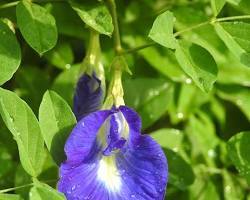
Common names: Paradise tree, dysentery bark, bitterwood
Key Characteristics:
Vining habit:
It's a climbing vine with slender stems and tendrils.
Striking flowers: The most distinctive feature is its large, vibrant blue flowers, though some cultivars may have white or pink flowers.
Legume:
It belongs to the legume family, producing long, flat pods containing seeds.
Uses:
Culinary:
Natural food coloring: The flowers produce a beautiful blue pigment that is used to color food and drinks. It's often used in Thai cuisine to color rice, desserts, and herbal teas.
Edible flowers:
The flowers can be consumed fresh or dried and used to decorate dishes.
Traditional medicine:
In Ayurvedic medicine, it's used to improve cognitive function, reduce anxiety, and enhance memory.
Modern research:
Studies have shown potential benefits in treating various ailments, including Alzheimer's disease and depression.
Ornamental
It's widely cultivated as an ornamental plant for its attractive flowers and climbing habit
ISO 9001:2015 CERTIFICATE

Institute Innovation Council

ICT ACADEMY CERTIFICATE
