ARTHEMISIA PALLENS
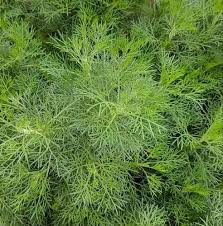
common name : Dhavaam
Description:
Members of the genus Artemisia are largely perennial plants with many small yellow or greenish yellow flower heads grouped in clusters. The leaves are usually divided and alternate along the stem; they may be green, grayish green, or silvery white.
BENEFITS
Anti-malarial Properties:
Like other members of the Artemisia genus, Artemisia pallens contains compounds that have demonstrated anti-malarial activity. It has been traditionally used in some regions to help treat malaria, although its effectiveness may not be as well-established as Artemisia annua (which is used in artemisinin-based therapies for malaria).
Antibacterial and Antifungal:
Artemisia pallens has been shown to have antibacterial and antifungal properties, making it effective for treating various infections, particularly those caused by bacteria and fungi. It may be used to help manage conditions like skin infections and respiratory infections.
Anti-inflammatory Effects:
The plant exhibits anti-inflammatory properties, which can help reduce inflammation in conditions such as arthritis, pain, or swelling. It can be applied topically as part of a poultice or used internally to manage inflammation-related conditions.
Digestive Health:
Artemisiapallens has been used to promote digestion and alleviate digestive issues like bloating, indigestion, and flatulence. It can stimulate appetite and improve overall gut health.
Antioxidant Activity:
The plant contains antioxidants that help neutralize free radicals in the body, potentially reducing oxidative stress and protecting cells from damage. This may contribute to reducing the risk of chronic diseases like cancer, heart disease, and premature aging.

