BRYOPHYLLUM PINNATUM
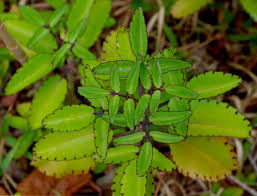
common name : Chandini, Leaf of Life, Miracle Leaf, or Life Plant
Description:
Bryophyllumpinnatum, commonly known as Chandini, Leaf of Life, Miracle Leaf, or Life Plant, is a succulent plant in the Crassulaceae family, native to tropical and subtropical regions of Africa, Asia, and the Pacific Islands. It has been used in traditional medicine for centuries due to its broad therapeutic benefits. The plant is known for its ability to heal wounds, treat respiratory conditions, manage inflammation, and even support kidney and liver health. Below are some of the well-known health benefits of Bryophyllumpinnatum.
BENEFITS:
Wound Healing and Skin Health
Bryophyllumpinnatum is widely recognized for its wound-healing properties. The plant’s leaves contain compounds that can accelerate the healing of cuts, bruises, burns, and skin ulcers. The anti-inflammatory and antioxidant properties of the plant help reduce pain and promote faster recovery of damaged skin tissue.
It can be applied topically as a poultice or paste made from crushed leaves to treat wounds, skin rashes, eczema, and fungal infections. The plant's soothing properties help in reducing swelling, itching, and inflammation.
Anti-inflammatory Effects
Bryophyllumpinnatum contains compounds that have potent anti-inflammatory effects. It is often used to treat inflammatory conditions such as arthritis, rheumatism, and gout. The active compounds in the plant, such as flavonoids and alkaloids, help to block the production of inflammatory cytokines, thereby reducing pain and swelling.
It can be used both topically (as a poultice) and internally (in the form of juice or decoctions) for conditions involving inflammation, including joint pain, muscle pain, and swelling.
Respiratory Health
In traditional medicine, Bryophyllumpinnatum is used to treat respiratory issues like asthma, bronchitis, cough, and cold. The plant has expectorant properties that help to loosen mucus and phlegm from the airways, facilitating easier breathing and reducing the severity of respiratory congestion.
It is often used in the form of juice or tea made from the leaves to help clear the airways and relieve symptoms of chronic respiratory conditions.
Antimicrobial and Antifungal
Bryophyllumpinnatum has shown antibacterial and antifungal properties, making it effective in treating infections. The plant's bioactive compounds help fight off harmful microorganisms, making it useful for treating skin infections, wounds, and even respiratory infections.
It can be used to treat bacterial infections like Staphylococcus aureus and Escherichia coli, as well as fungal infections like Candida. The plant can be applied externally as a topical remedy or consumed in a tincture form.
Kidney Health and Detoxification
Bryophyllumpinnatum is traditionally used as a diuretic, helping to flush out excess fluids from the body, thereby supporting kidney function. It aids in the detoxification process by promoting the excretion of waste products through urine, which can help prevent conditions like urinary tract infections (UTIs) and kidney stones.
It may also help alleviate symptoms of edema (fluid retention) and promote overall kidney health.

