RHINACANTHUS NASUTHUS
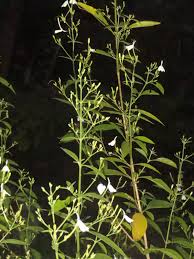
common name :Snakehead, Kaderi, or Nasutus
Description:
Rhinacanthusnasutus, commonly known as Snakehead, Kaderi, or Nasutus, is a medicinal plant native to Southeast Asia. It has been used in traditional medicine for centuries for its diverse therapeutic properties. The plant is particularly known for its anti-inflammatory, antioxidant, antimicrobial, and antiviral benefits. Here are some of the key health benefits of Rhinacanthusnasutus:
BENEFITS:
Anti-inflammatory Properties
Rhinacanthusnasutus is widely recognized for its anti-inflammatory effects. It is used to treat inflammatory conditions such as arthritis, rheumatism, and gout. The plant helps reduce swelling, pain, and stiffness by inhibiting the production of inflammatory cytokines and mediators in the body.
It is particularly useful in managing chronic inflammation, which is linked to various diseases, including cardiovascular diseases and autoimmune disorders.
Antioxidant Benefits
The plant contains bioactive compounds such as flavonoids, alkaloids, and phenolic acids, which have powerful antioxidant properties. These antioxidants help neutralize free radicals, preventing oxidative stress and reducing the risk of chronic diseases like cancer, heart disease, and neurodegenerative disorders.
Regular use of Rhinacanthusnasutus may help slow down the aging process by reducing the damage caused by oxidative stress.
Antibacterial and Antifungal
Rhinacanthusnasutus exhibits potent antibacterial and antifungal properties. It has been traditionally used to treat skin infections, such as boils, eczema, and ringworm. The plant can be applied topically as a poultice or paste to treat wounds and skin conditions.
It has also been shown to combat various pathogenic bacteria and fungi, including E. coli, Staphylococcus aureus, and Candida.
Antiviral Activity
Research has shown that Rhinacanthusnasutus has antiviral properties, particularly against hepatitis B virus and herpes simplex virus (HSV). It may help reduce viral load and improve outcomes in viral infections by interfering with the replication cycle of these viruses.
Its antiviral properties make it a potential adjunct in the treatment of viral infections and conditions like cold sores and hepatitis.
Liver Health and Detoxification
Liver Health and Detoxification
Rhinacanthusnasutus is often used to support liver health. It is believed to help detoxify the liver, improve liver function, and protect against liver damage caused by toxins, alcohol, or viral infections.
The plant may have hepatoprotective (liver-protecting) effects, helping to reduce the risk of fatty liver disease and promoting the regeneration of liver cells.

