SOLANUM TRILOBATUM
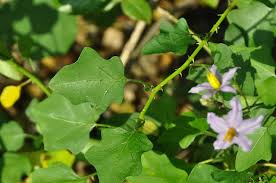
common name : Purple fruited pea egg plant
Description:
Solanum trilobatum is a delicate, tropical perennial plant often cultivated in temperate climates. Solanum trilobatum is not only used in the Indian cuisine for culinary purposes and a home medication as a remedy for common ailments such as fever, cold and cough, it has been the subject of numerous scientific investigations to validate its traditional medicinal uses and to isolate and identify the active compounds responsible for its therapeutic effects. Here are some key areas of research.
BENEFITS :
Respiratory Health
Solanum trilobatum is highly valued for its effectiveness in treating respiratory issues. It is commonly used in traditional medicine to help manage conditions such as asthma, bronchitis, cough, and cold. The plant is thought to act as an expectorant, helping to clear mucus from the airways, making it easier to breathe and reducing the severity of respiratory infections.
It is often used in the form of a decoction or juice to ease symptoms of coughs and congestion.
Anti-inflammatory Properties
The plant has potent anti-inflammatory effects. It is used to treat inflammatory conditions such as arthritis and gout. Its compounds help reduce swelling and pain associated with inflammation, providing relief for joint-related issues.
Some studies have shown that the plant can help modulate the immune response, reducing the production of inflammatory cytokines and preventing tissue damage.
Antioxidant Activity
Solanum trilobatum is rich in antioxidants, including flavonoids, alkaloids, and phenolic compounds. These antioxidants help fight oxidative stress, which is linked to a variety of chronic diseases, such as cancer, cardiovascular diseases, and neurodegenerative disorders.
By neutralizing free radicals, the plant may contribute to overall cellular health and protect against aging and disease.
Antibacterial and Antifungal
The plant has shown antibacterial and antifungal properties in several studies, making it useful for treating a variety of infections. It can be used topically to treat skin infections, wounds, and cuts, or taken internally to combat bacterial and fungal pathogens.
It may be particularly helpful in treating skin infections, ulcers, or fungal conditions like ringworm.
Anticancer Potential
Preliminary studies suggest that Solanum trilobatum may have anticancer properties, particularly in inhibiting the growth of cancer cells. It is believed to contain bioactive compounds that can help suppress tumor growth and may aid in the prevention of certain types of cancer.
However, more clinical research is needed to fully understand its potential as an anticancer agent.

