CHAMAECOTUS CUSPIDATUS
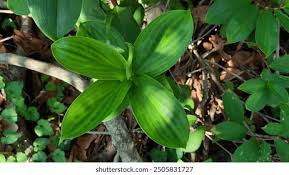
common name : Insulin Plant
Description:
Chamaecostuscuspidatus, common name fiery costus or spiral flag, is a species of herbaceous plant in the family Costaceae native to eastern Brazil (States of Bahia and Espírito Santo). In India, it is known as insulin plant for its purported anti-diabetic properties. Chamaecostuscuspidatus has large fleshy-looking leaves. The undersides of these large, smooth, dark green leaves have light purple shade. The leaves are spirally arranged around the stem, forming attractive, arching clumps arising from underground rootstocks. The maximum height of these plants is about two feet. The flowers are orange in color and are 1.5 in (3.8 cm) in diameter. Flowering occurs during the warm months and they appear to be cone-like heads at the tips of branches.
BENEFITS:
Blood Sugar Regulation:
The most well-known benefit of the insulin plant is its potential to help regulate blood glucose levels. Its leaves are believed to have insulin-like properties, which may aid in lowering blood sugar, making it popular in managing type 2 diabetes.
Anti-diabetic Effect:
Several studies have indicated that the insulin plant's extracts can enhance insulin sensitivity and support glucose metabolism. Some people consume fresh leaves or extracts to help lower fasting blood sugar levels. Antioxidant Properties: The insulin plant is rich in antioxidants, which can help protect cells from oxidative stress and damage caused by free radicals, potentially reducing the risk of chronic diseases.
Anti-inflammatory:
: Its anti-inflammatory properties may help reduce inflammation in the body, which is beneficial for individuals suffering from conditions like arthritis or other inflammatory disorders.
Liver Health:
Some research suggests that the insulin plant may have a protective effect on the liver, helping to detoxify the body and improve overall liver function

